 EN
EN
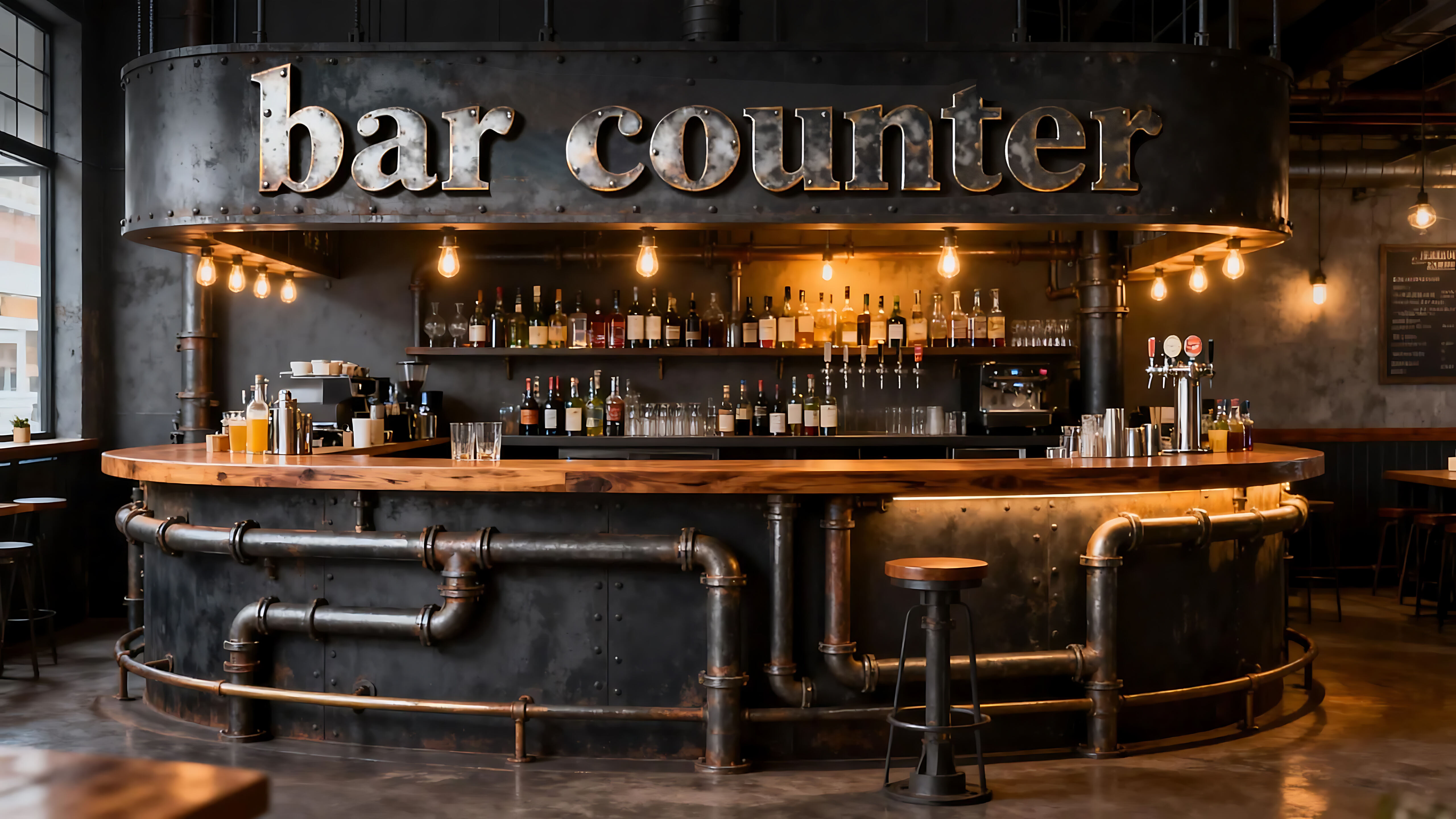
Pre malé komerčné priestory – či už ide o prívetivú kaviareň, kompaktný butikový bar, malú hotelovú lobby s lounge zónou alebo malý obchod s predajnou barovou zónou – výber správnej veľkosti barovej dosky je rozhodujúcim faktorom pre funkčnosť aj estetiku priestoru. Dobrý pomer barovej dosky maximalizuje obmedzený podlahový priestor, zabezpečuje hladký pohyb zákazníkov a personálu a zvyšuje celkový dizajn priestoru, zatiaľ čo nesprávne zvolená veľkosť môže spôsobiť neprehľadnosť, brániť prevádzke a znížiť kvalitu zákazníckej skúsenosti. Neexistuje univerzálna odpoveď, avšak ideálna veľkosť barovej dosky pre malé komerčné priestory vychádza z rozmerov priestoru , prevádzkových potrieb a ergonomický dizajn . Nižšie je profesionálny prehľad, ako vybrať dokonalú veľkosť barovej dosky vrátane štandardných rozmerov a tipov na prispôsobenie pre malé komerčné priestory.
Základné ergonomické základy: Neprekonateľné minimálne rozmery
Pred prispôsobením barového pultu malému priestoru je nevyhnutné dodržať všeobecné ergonomické normy – tieto zabezpečujú pohodlie pre návštevníkov aj personál a tvoria základ všetkých rozhodnutí o veľkosti barového pultu v malých komerčných priestoroch. Pre stranu zákazníkov , minimálna šírka povrchu barového pultu by mala byť 12 palcov (30 cm); to poskytuje dostatok miesta na nápoje, súčasti jedla alebo notebook pre hostí, ktorí pracujú alebo sa spoločensky stretávajú. Štandardná výška komerčného barového pultu je 42 palcov (107 cm), čo zodpovedá priemernej výške paže a trupu dospelých a umožňuje pohodlné opieranie sa a pitie; táto výška je nezmeniteľná aj v najmenších priestoroch, aby sa predišlo nepohodlným skúsenostiam používateľov.
Pre stranu obsluhy podpultový pracovný priestor pre personál vyžaduje minimálnu hĺbku 18 palcov (45 cm), aby sa do neho zmestili nevyhnutné príslušenstvo, ako sú koktajlové šekery, sklenená súdka a malé prípravné nástroje. Medzera medzi barovým pultom a zadnou stenou alebo úložnými jednotkami musí byť najmenej 36 palcov (90 cm) – ide o minimálny voľný priestor, ktorý umožňuje jednému zamestnancovi pohybovať sa, dosahovať po zásobách a pripravovať objednávky bez prekážok. Tieto základné rozmery predstavujú najmenšie funkčné merania pre barový pult; akonáhle sú menšie, ohrozujú každodenné prevádzkové činnosti malých komerčných podnikov.
Rozmery barového pultu podľa konkrétneho priestoru: Prispôsobte rozmery typu svojho priestoru
Malé komerčné priestory sa výrazne líšia v usporiadaní a využití, a preto musia byť optimálne rozmery barového pultu prispôsobené hlavnej funkcii priestoru. Pre kompaktné kaviarne a neformálne kaviarničky (najčastejšie malé komerčné priestory), je lineárny barový pult dĺžky 4 až 6 stôp (1,2 až 1,8 m) ideálny. Táto veľkosť umožňuje súčasne pracovať 2–3 baristom, vojde sa na ňho malý espressový stroj a mlynčeky a ponúka 3–4 miesta na sedenie zákazníkov – čo je dokonalé pre servisnú plochu 100–200 štvorcových stôp. Ešte efektívnejšie využitie priestoru ponúka rohový barový pult (tvaru písmena L), ktorý zníži potrebnú lineárnu podlahovú plochu a zároveň pridá ďalších 1–2 stopy pracovnej plochy.
Pre mikrobarov a malých kokteilových salónov , barový pult dĺžky 5 až 7 stôp (1,5 až 2,1 m) predstavuje správnu rovnováhu. Táto dĺžka umožňuje umiestniť malý barový umývadlový priestor, malú chladiacu jednotku a dostatok plochy na prípravu nápojov, pričom výška 42 palcov (približne 107 cm) zachováva klasický barový dojem. Pre malé obchodné priestory alebo priestory spoločného používania (co-working) s minimalistickým servisným barom je vhodný kompaktný samostatný barový pult (3 až 4 stopy/0,9 až 1,2 m v dĺžke) je postačujúce – jeho štíhly profil (12–15 palcov/30–38 cm v šírke vrchu) slúži ako funkčný servisný priestor bez toho, aby preplnil priestor.
Prispôsobenie a návrhové triky: Využitie malých priestorov nad rámec štandardných rozmerov
V extrémne malých komerčných priestoroch, kde sa dokonca aj štandardné minimálne rozmery barového pultu javia ako príliš veľké, môžu individuálne úpravy návrhu premieniť tesný priestor na funkčnú a štýlovú barovú zónu – práve tu sa individuálne navrhnutý barový pult skutočne prejaví pre malé podniky. Zúžené zadné pracovné dosky (zmenšené z 18 na 15 palcov/38 cm) sú vhodné pre prevádzky s jediným zamestnancom, ak sa nevyžadované vybavenie ukladá mimo pracovnej dosky. Stenovo montované plávajúce barové pulty eliminujú spodné skrinky a vytvárajú otvorený, vzdušný dojem, čím uvoľňujú podlahový priestor pre pohyb zákazníkov; tieto pulty sú ideálne pre malé dočasné prevádzky alebo butikové obchody s malou ponukou nápojov.
Zakrivené okraje barového pultu (namiesto ostrých 90-stupňových rohov) tiež optimalizujú malé priestory zmäkčením usporiadania a vytvorením prirodzeného toku chodcov, čo je oveľa dôležitejšie než pridaný jeden palec dĺžky. Okrem toho integrovanie úložného priestoru do základne barovej dosky – napríklad tenké vysúvacie zásuvky alebo otvorené poličky – eliminuje potrebu samostatných úložných jednotiek a robí barovú dosku viacúčelovým centrálnym prvkom, ktorý šetrí cenné štvorcové metre.
Záverečná kontrolná tabuľka pre určenie veľkosti barovej dosky v malých komerčných priestoroch
- Zmerajte celkovú plochu pre služby a odpočítajte minimálny priestor pre personál (91 cm), aby ste získali maximálnu využiteľnú dĺžku vašej barovej dosky.
- Potvrďte počet zamestnancov v priestore – jeden zamestnanec môže pracovať s minimálnou dĺžkou 91 cm, zatiaľ čo dvaja a viac zamestnancov vyžadujú dĺžku 122 cm alebo viac.
- Uprednostnite ergonomickú výšku (107 cm) a minimálnu šírku povrchu pre zákazníkov (30 cm) pred nadbytočnou dĺžkou.
- Pre nepravidelné alebo extrémne úzke malé priestory zvoľte L-vyrezové, rohové alebo plávajúce návrhy.
Na záver je najvhodnejší rozmer barového pultu pre malé komerčné priestory ten, ktorý vyváža ergonomickú funkciu , účel priestorov a usporiadanie priestoru . Ak začnete s nevyhnutnými minimálnymi rozmermi a prispôsobíte návrh konkrétnym prevádzkovým požiadavkám, môžete vytvoriť barový pult, ktorý nielenže sa zmestí do malého priestoru, ale zároveň zvýši jeho funkčnosť a estetickú pôsobivosť. Dobre dimenzovaný barový pult je viac než len kus nábytku – ide o stratégiu investíciu, ktorá zvyšuje efektivitu, zlepšuje spokojnosť zákazníkov a dokonca aj najmenší komerčný priestor robí úmyselným a pozývajúcim.
Obsah
- Základné ergonomické základy: Neprekonateľné minimálne rozmery
- Rozmery barového pultu podľa konkrétneho priestoru: Prispôsobte rozmery typu svojho priestoru
- Prispôsobenie a návrhové triky: Využitie malých priestorov nad rámec štandardných rozmerov
- Záverečná kontrolná tabuľka pre určenie veľkosti barovej dosky v malých komerčných priestoroch