
 EN
EN
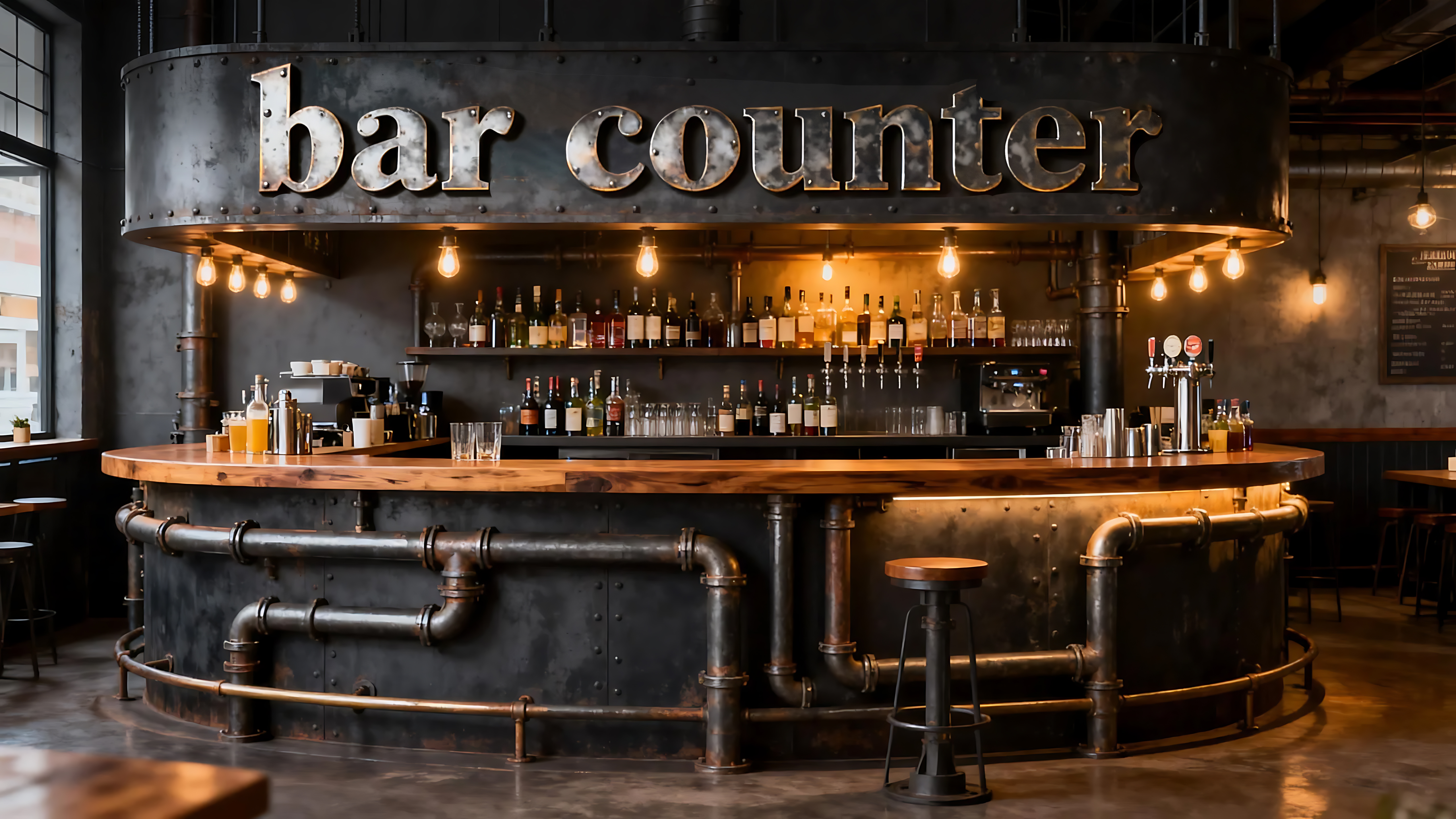
For small commercial spaces—whether a cozy café, a compact boutique bar, a tiny hotel lobby lounge, or a small retail shop with a service bar—choosing the right size bar counter is a make-or-break decision for both functionality and aesthetics. A well-proportioned bar counter maximizes limited floor space, ensures smooth customer and staff movement, and elevates the overall design of the space, while a poorly sized one can create clutter, hinder operations, and ruin the customer experience. There is no one-size-fits-all answer, but the ideal bar counter size for small commercial spaces is rooted in space dimensions, operational needs, and ergonomic design. Below is a professional breakdown of how to select the perfect bar counter size, along with standard measurements and customization tips for small commercial areas.
Core Ergonomic Baselines: Non-Negotiable Minimum Dimensions
Before tailoring a bar counter to a small space, it is critical to adhere to universal ergonomic standards—these ensure comfort for both patrons and staff, and form the foundation of all size decisions for a bar counter in small commercial settings. For the customer side, the minimum width of the bar counter top should be 12 inches (30cm); this provides enough space for drinks, snacks, or a laptop for guests who work or socialize. The standard height for a commercial bar counter is 42 inches (107cm), a measurement that aligns with average adult arm and torso height for comfortable resting and drinking, and this height is non-negotiable even in the tiniest spaces to avoid awkward user experiences.
For the service side, the under-counter workspace for staff requires a minimum depth of 18 inches (45cm) to fit essential equipment like cocktail shakers, glassware, and small prep tools. The gap between the bar counter and the back wall or storage units must be at least 36 inches (90cm)—this is the minimum clearance for a single staff member to move, reach supplies, and prepare orders without obstruction. These baselines are the smallest functional measurements for a bar counter, and any smaller will compromise day-to-day operations for small commercial businesses.
Space-Specific Bar Counter Sizing: Match Dimensions to Your Venue Type
Small commercial spaces vary wildly in layout and use, and the optimal bar counter size must be tailored to the venue’s core function. For compact coffee shops and casual cafés (the most common small commercial spaces), a linear bar counter between 4 to 6 feet (1.2 to 1.8m) in length is ideal. This size accommodates 2-3 baristas working simultaneously, fits a small espresso machine and grinders, and offers 3-4 customer seating spots—perfect for a 100-200 sq. ft. service area. A corner bar counter (L-shaped) is even more space-efficient here, cutting down on linear floor space while adding an extra 1-2 feet of working area.
For micro bars and tiny cocktail lounges, a bar counter of 5 to 7 feet (1.5 to 2.1m) in length strikes the right balance. This length fits a mini bar sink, a small refrigeration unit, and enough counter space for mixing drinks, while the 42-inch height maintains the classic bar feel. For small retail stores or co-working spaces with a minimalist service bar, a compact freestanding bar counter (3 to 4 feet/0.9 to 1.2m in length) is sufficient—its slim profile (12-15 inches/30-38cm in top width) serves as a functional service point without overwhelming the space.
Customization & Design Tricks: Maximize Small Spaces Beyond Standard Sizing
In ultra-small commercial spaces where even standard minimum bar counter sizes feel too large, customized design adjustments can turn a tight space into a functional and stylish bar area—this is where a tailored bar counter truly shines for small businesses. Narrowed back countertops (reduced to 15 inches/38cm from 18 inches) work for venues with only one staff member, as long as non-essential equipment is stored off-counter. Wall-mounted floating bar counters eliminate base cabinetry, creating an open, airy feel and freeing up floor space for customer movement; these are perfect for tiny pop-ups or boutique shops with a small drink service.
Curved bar counter edges (instead of sharp 90-degree corners) also optimize small spaces by softening the layout and creating a natural flow of foot traffic, which is far more important than adding an extra inch of length. Additionally, integrating storage into the bar counter base—such as slim pull-out drawers or open shelving—eliminates the need for separate storage units, making the bar counter a multi-functional centerpiece that saves precious square footage.
Final Checklist for Sizing a Bar Counter in Small Commercial Spaces
- Measure the total service area and subtract the 36-inch minimum staff clearance to get the maximum usable length for your bar counter.
- Confirm the venue’s staff count—1 staff member can work with a 3-foot minimum length, while 2+ need 4 feet or more.
- Prioritize ergonomic height (42 inches) and minimum customer top width (12 inches) over extra length.
- Choose L-shaped, corner, or floating designs for irregular or ultra-tight small spaces.
In conclusion, the best size bar counter for small commercial spaces is the one that balances ergonomic function, venue purpose, and space layout. By starting with non-negotiable minimum dimensions and customizing the design to fit your specific operational needs, you can create a bar counter that not only fits the small space but also enhances its functionality and aesthetic appeal. A well-sized bar counter is more than just a piece of furniture—it is a strategic investment that boosts efficiency, improves customer satisfaction, and makes even the tiniest commercial space feel intentional and inviting.