
 EN
EN
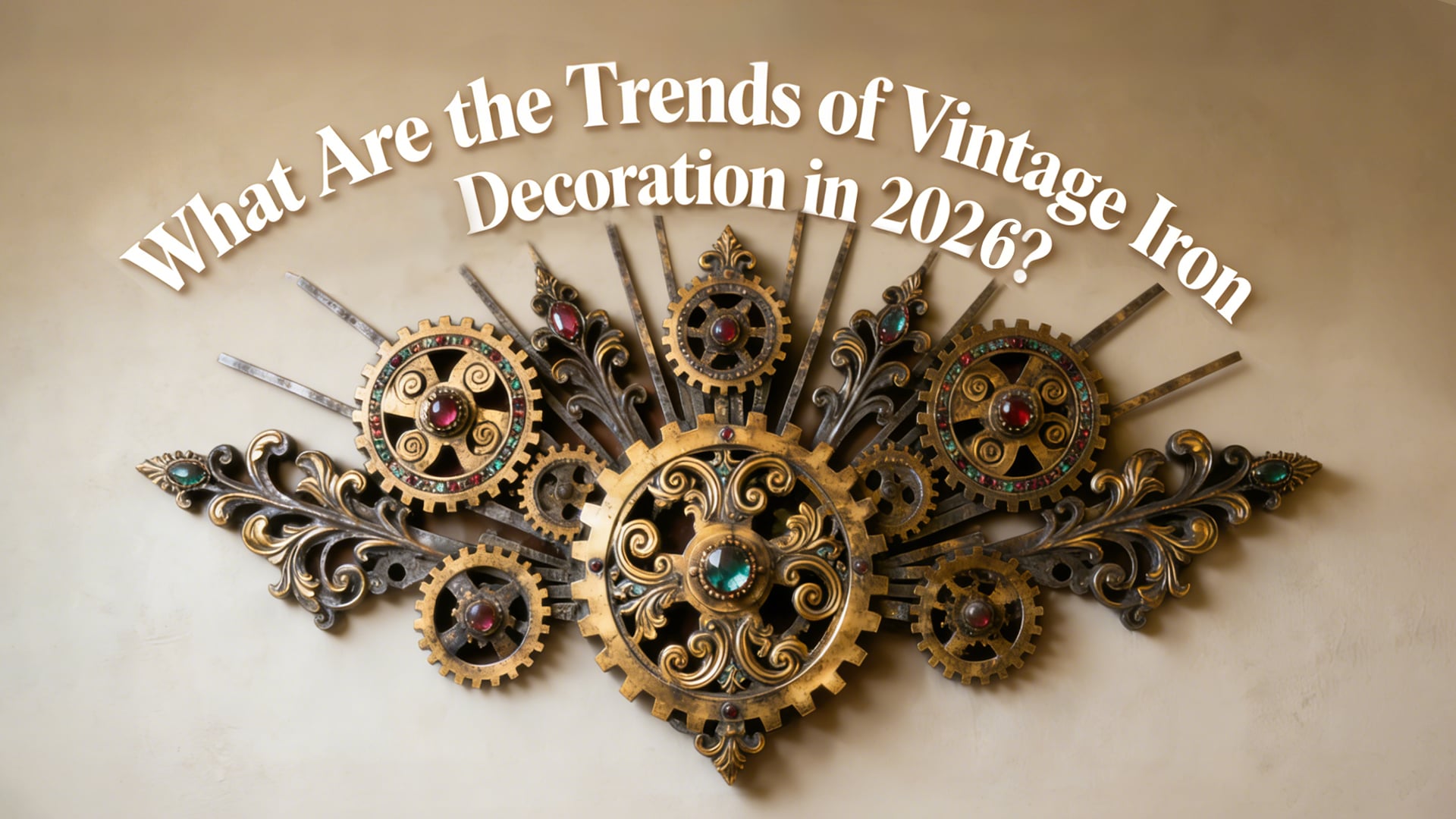
Patina & Living Finishes: The Authenticity Standard for Vintage Iron Decoration
Why Unlacquered, Oxidizing Iron Defines 2026’s Most Trusted Interiors
The shift toward unlacquered iron reflects a cultural rejection of artificial perfection. By 2026, 78% of interior designers report clients specifically requesting oxidizing finishes that evolve naturally (Design Futures Council 2025). This demand stems from three interwoven values:
- Material honesty: Patina development visibly chronicles an object’s history—subtle rust variations, texture shifts, and tonal gradients tell a story no coating can replicate.
- Tactile warmth: Unsealed surfaces deepen in richness over time, offering a sensorial presence lacquered metals cannot match.
- Environmental resonance: Naturally weathered iron harmonizes with biophilic design principles—its organic evolution mirrors natural systems, reinforcing sustainable architecture’s core ethos.
Unlike coated metals that mask imperfections, oxidizing finishes embrace iron’s “living” nature: each fingerprint, humidity fluctuation, or seasonal shift contributes to singular character. This aligns vintage iron decoration with a broader movement prioritizing authenticity—not as nostalgia, but as intentional, embodied material truth.
The Science and Aesthetics of Evolving Metal Surfaces
The formation of patina happens through electrochemical reactions when iron meets oxygen and moisture, creating protective oxide layers such as magnetite (Fe3O4) and hematite (Fe2O3). What makes this fascinating is how these protective coatings can take on all sorts of colors depending on their environment. Inside dry spaces they often turn into deep burgundy tones, while out in cities where there's lots of shade, surfaces tend toward charcoal gray shades. Occasionally we see those unusual blue-green hints too, especially when salt particles from the air mix with moisture on metal surfaces. Today's designers actually embrace this natural chemistry instead of fighting against it, letting these chemical processes guide the final look of their creations rather than trying to control every detail themselves.
| Oxidation Variable | Aesthetic Impact | Maintenance Consideration |
|---|---|---|
| Humidity Levels | Speckled rust patterns | Climate control |
| Handling Frequency | Accelerated darkening | Minimal cleaning |
| Airborne Salts | Blue-green undertones | Coastal applications |
What makes these items truly special is their unpredictability. After about 12 to 18 months, they start developing what looks like a topographical memory map on their surface. This marks where they've been, how they were used, and all the little stories they picked up along the way. Vintage iron decorations aren't just sitting there looking pretty anymore but actually respond to their surroundings as living works of art. According to Material Culture Journal from 2025, around 92 percent of collectors say they feel more connected emotionally to pieces that show genuine signs of aging. People really do connect with those aged surfaces somehow deep down inside them.
Regional Heritage Reimagined: Tuscan, Americana, and Western Motifs in Vintage Iron Decoration
From Rustic Mediterranean Balconies to Neo-Route 66 Gates: Stylistic Translation in Wrought Iron
Wrought iron is bringing old regional designs back to life in fresh ways rather than just copying them straight across. Think about how Tuscan style has evolved these days with those elegant scrolls and simple terracotta touches. What's interesting is seeing traditional balcony designs from centuries ago getting adapted for today's smaller city spaces and tall buildings. The Americana trend is definitely on the rise too, with searches jumping nearly 28% according to LevelFrames data from 2025. We're seeing lots of patriotic symbols like stars and shields incorporated into gate designs alongside intentionally aged finishes that look worn but intentional. For Western themes, there's this cool mix of leather wrapped around iron pieces combined with geometric shapes reminiscent of ranch houses. Designers are moving away from direct representations toward more suggestive abstractions that still capture the spirit of the West without being literal copies.
What we get here are designs that respect tradition while using modern space thinking. Think about how those classic Mediterranean curves fit snugly into small courtyards. Or see Route 66 symbols transformed into simple steel outlines. Even the rough look of frontier life gets softened into artistic stair rails or fireplace frames. The end product? Old school ironwork that still has roots in history but definitely looks new to the eye. Regional styles shape these pieces naturally rather than following some strict design rulebook.
Sustainability as Style: Upcycled Iron and Industrial Soul in 2026 Vintage Iron Decoration
How Salvaged Iron Sourcing Rose 68% (2024–2025) and Redefined Material Integrity
Salvaged iron is no longer just something quirky that specialty shops do anymore. The numbers tell the story pretty clearly actually industry reports point to about a two thirds jump in reclaimed metal usage from 2024 to 2025. What we're seeing here is basically a new definition emerging for what counts as luxurious these days. When people talk about quality materials now, they want to know where things came from, how they were made, and what history they carry with them. Take those old factory beams nobody wanted? Turns out they make great shelves. Old machines that factories threw away get turned into cool room separators. Even those massive bridge parts that sat rusting for decades find new purpose as dining tables. And guess what? Nobody tries to hide the welds or clean off all that original scale. Those rough spots and patches of corrosion? They stay right there on display because they tell a story about strength and lasting through time.
Using this method cuts down on embodied carbon and adds real visual interest too. The way oxidized surfaces play against shiny brass or dark matte finishes makes recycled iron work wonders in both simple loft spaces and those fancy Art Deco style lounges. Sustainability isn't just window dressing here it's actually built into the structure itself. When it comes to modern interior design, ethical materials and unique character don't have to compete with each other anymore. These days, people trust spaces that combine responsible sourcing with personality rather than settling for one or the other.
Artisanal Tactility: Hand-Forged Detailing and Art Deco Revival in Vintage Iron Decoration
Vintage iron decoration is getting really interesting in terms of how it feels to the touch these days. The trend is all about hand forged work and bringing back Art Deco styles but with a fresh twist. Craftsmen aren't just copying old designs from the 1920s though they're taking inspiration and making something new out of it. Look at those geometric patterns now they have depth because of careful hammering techniques. Those stepped shapes we used to see are being made softer with more natural looking transitions between parts. And those sunburst designs? They spread out across metal surfaces in ways that aren't perfectly symmetrical but still look balanced somehow. What makes this stuff special is that every single hammer strike leaves tiny differences in the surface. These small variations create fascinating shadows when light moves around them and also give the pieces texture that begs to be touched.
What makes these designs special is their deliberate flaws. The scrolls aren't perfect, tools leave marks on surfaces, and those bars have gentle tapers that show they were made by hand rather than produced by machines. Today we see lots of combinations happening too. Think rusty iron next to shiny brass or nickel, sometimes mixed with matte ceramic pieces. These materials transform simple things like railings, gates, and light fixtures into real works of art. According to recent surveys from Design Futures Council (2025), around two thirds of designers notice clients wanting custom metal pieces that tell stories through craftsmanship. This isn't just about looking good anymore. People want these decorative iron items to feel like something passed down through generations. When someone touches them, they should experience both beauty and the tangible evidence of skilled hands at work.
FAQs on Patina & Living Finishes in Vintage Iron Decoration
What is patina and how does it develop?
Patina is a protective layer that forms on metals like iron through electrochemical reactions with oxygen and moisture. This layer develops naturally over time, leading to unique color variations that depend on environmental factors.
Why are unlacquered and oxidizing iron finishes preferred?
Unlacquered and oxidizing finishes are preferred for their authenticity and ability to reflect a material’s true character. They offer tactile warmth and align with environmental principles by allowing natural weathering.
What role does regional heritage play in vintage iron decoration?
Regional heritage influences vintage iron decoration by reinterpreting traditional motifs in contemporary designs, such as Tuscan scrolls and Americana symbols, making them relevant for modern spaces.
Table of Contents
- Patina & Living Finishes: The Authenticity Standard for Vintage Iron Decoration
- Regional Heritage Reimagined: Tuscan, Americana, and Western Motifs in Vintage Iron Decoration
- Sustainability as Style: Upcycled Iron and Industrial Soul in 2026 Vintage Iron Decoration
- Artisanal Tactility: Hand-Forged Detailing and Art Deco Revival in Vintage Iron Decoration
- FAQs on Patina & Living Finishes in Vintage Iron Decoration