
 EN
EN
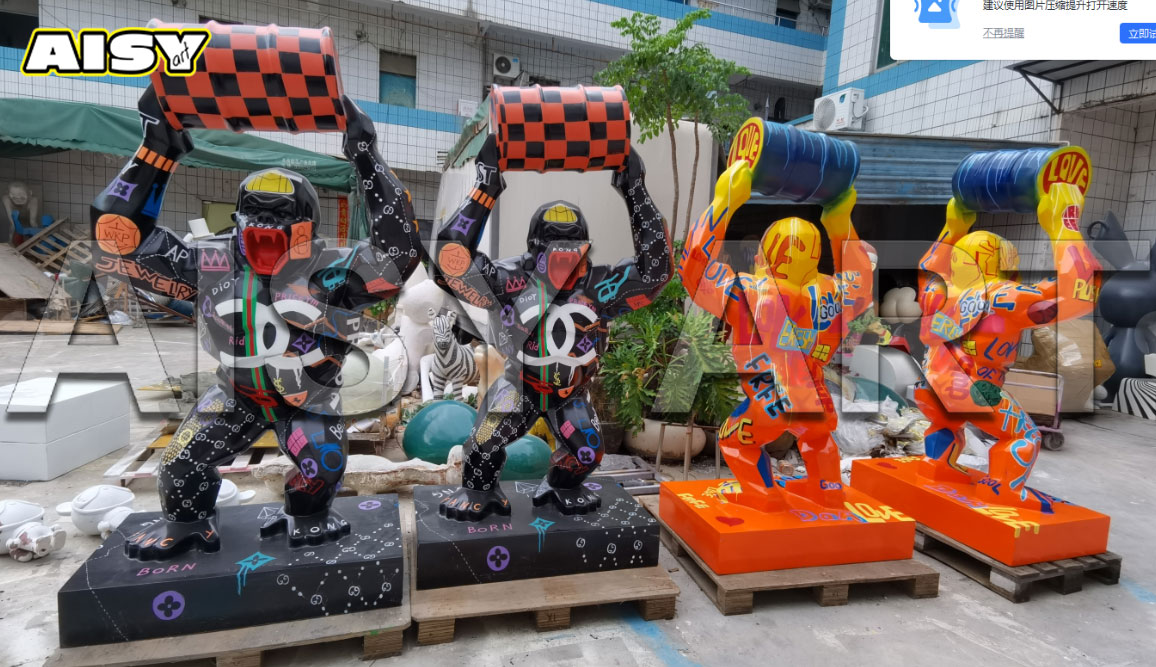
Understanding Fiberglass Material Quality and Structural Durability
Why Fiberglass Outperforms Traditional Materials Like Stone, Metal, and Resin
Fiberglass sculptures really stand out when it comes to how strong they are relative to their weight, plus they handle all sorts of weather conditions pretty well. That makes these pieces great choices whether displayed inside galleries or outside in public spaces. Take a look at the numbers too: Fiberglass has about 1.5 to 2.5 times the tensile strength of aluminum while weighing roughly 75% less than stone. So artists get all that structural support without dealing with something super heavy to work with. Another big plus is that unlike metals which tend to rust away near saltwater, fiberglass holds up nicely even along coastlines where humidity and moisture would normally be problematic. And speaking of materials, fiberglass beats out polyester resin because of its layered composite build. These layers actually stop things from getting brittle or developing cracks as years go by, which means the artwork stays looking good for much longer periods.
| Material | Tensile Strength (MPa) | Weight (kg/m³) | Corrosion Resistance |
|---|---|---|---|
| Fiberglass | 1,000–1,500 | 1,600–2,000 | Excellent |
| Stone | 10–30 | 2,300–2,800 | Poor |
| Cast Aluminum | 200–400 | 2,700 | Moderate |
| Polyester Resin | 40–90 | 1,100–1,400 | Low |
Material Selection for Long-Term Structural Integrity in Sculptures
Longevity begins with high-performance materials: aerospace-grade resins combined with E-glass fibers ensure dimensional stability across extreme temperatures (-40°C to 120°C). These composites are further enhanced with UV-inhibited gel coats that prevent microcracking—a common degradation pathway in lower-quality fiberglass pieces.
Layer Stacking and Internal Reinforcement Techniques for Impact Resistance
Multi-layer lamination using alternating woven roving and chopped strand mats creates a resilient matrix capable of absorbing impact energy. In load-bearing zones, embedded steel wire grids or carbon fiber rods can increase impact resistance by up to 300%, significantly outperforming single-layer constructions under stress.
Reinforcing Vulnerable Areas: Corners and Thin Edges to Prevent Cracking
High-stress areas such as corners and thin edges benefit from 2–3 additional layers of glass fiber and radiused profiles exceeding 3mm thickness. This reinforcement reduces fracture risk by 82% in dynamic wind conditions, based on structural simulations from leading manufacturers.
Weather Resistance and UV Protection for Outdoor Fiberglass Sculptures
Fiberglass excels in outdoor settings due to engineered resistance to weathering, temperature fluctuations, and UV exposure.
Evaluating Performance in Extreme Climates and Coastal Environments
Fiberglass remains dimensionally stable between -40°F and 150°F, avoiding the thermal expansion and frost-heave issues seen in stone and metal. In marine environments, its salt-spray resistance ensures durability—92% of fiberglass sculptures show no signs of corrosion after five years of coastal exposure, according to the Material Durability Journal (2023).
Sealed Resins and Gel Coats: Creating Truly Weatherproof Outdoor Pieces
A double-layer gel coat system reduces water absorption by 87% compared to single coatings, effectively sealing the surface against moisture intrusion. Combined with reinforced resin matrices, this approach prevents microcrack formation, especially critical in humid or freeze-thaw climates.
Automotive-Grade Painting Methods to Block UV Degradation and Fading
Crosslinked polymer paints—identical to those used in automotive manufacturing—retain 95% of color intensity after 8–10 years of direct sunlight. These finishes reflect 99% of UV-B radiation, preventing the surface chalkiness and embrittlement that plague unprotected composites.
Case Study: 10-Year Durability of Fiberglass Statues in Harsh Outdoor Conditions
The fiberglass statue put up in Arizona's Sonoran Desert back in 2014 still looks pretty much the same after ten years out there. There was barely any warping or fading noticed, just about 0.2mm of surface wear measured on it - way under the 5mm mark where people start getting worried about structural issues. What's interesting is this matches what the Outdoor Art Conservation Report found last year. Their data shows around 78 percent of professionally made fiberglass art pieces don't need significant fixes during those first ten years they're outside. Makes sense really when you think about how durable these materials can be if properly finished.
Professional Finishing Techniques That Ensure Longevity
How High-End Finishing Prevents Surface Deterioration Over Time
The right finish acts as the last line of defense against nature's effects on artwork. Museum quality clear coats stop around 98 percent of harmful UV rays from getting through while still letting in about 92% of visible light, so pieces stay looking good over time. Top studios often go with automotive style coatings that include tough primers and smooth top layers designed to keep water out. Moisture is actually the biggest problem for outdoor sculptures and paintings, causing nearly 40% of all damage issues according to industry reports. Before application, these protective layers get tested under extreme conditions that mimic what they'd face over many years outside, ensuring they won't turn yellow or peel away even after prolonged sun exposure.
Sealing Joints and Seams to Eliminate Moisture Infiltration Risks
Sculptures that look solid can still crack right at the seams when they're not sealed properly. The industrial adhesives we use these days are actually a mix of glue and sealant. They work by joining materials at the molecular level, which creates really flexible seals that won't let water through even after going through hundreds of expansions and contractions. For stuff that goes into marine environments, there are special versions that stand up to saltwater exposure without losing their strength. These marine grade products keep their tensile strength well over 1,500 pounds per square inch, which is pretty impressive. When applied in controlled temperature settings, the curing process happens consistently, so what starts as a good bond becomes something that lasts for years without failing.
Industry Shift Toward Industrial-Grade Finishes in Modern Art Fabrication
Art makers are starting to bring in techniques from planes and cars for their coatings these days. The catalyzed urethane stuff actually becomes about three times harder than regular acrylic finishes, so it stands up much better to scratches. Think of those tough coatings they use on airplane windows. What used to be special treatment only for fancy sports cars is becoming common practice for expensive outdoor art pieces now. These multi-step finishes let sculptures keep looking pristine even after decades outside in all kinds of weather conditions.
Maintenance Practices to Extend the Lifespan of Fiberglass Sculptures
Routine Cleaning and Inspection to Preserve Appearance and Integrity
Weekly cleaning with mild soap and water removes pollutants and biological growth that can degrade surfaces. Monthly inspections of joints, edges, and high-stress areas help detect early signs of micro-cracking or delamination. For textured surfaces, soft-bristle brushes prevent damage to the gel coat during cleaning.
Reapplying Protective Coatings: When and How Often to Maintain UV Defense
UV-protective clear coats should be reapplied every 2–3 years, or sooner if fading or chalkiness appears in sun-exposed areas. In coastal regions, marine-grade polyurethane coatings provide superior resistance to salt spray and prolonged UV exposure.
Seasonal Maintenance Checklist for Outdoor-Displayed Fiberglass Sculptures
- Spring: Pressure-wash accumulated grime and inspect drainage channels
- Summer: Check for heat-induced cracks and reapply wax sealant
- Fall: Clear surrounding foliage and test water repellency of coatings
- Winter: Use breathable covers and elevate the base to avoid ice contact
Consistent adherence to these practices ensures fiberglass sculptures maintain both structural integrity and aesthetic quality over decades.
Selecting a Trusted Manufacturer Based on Proven Construction Standards
Red flags to watch for in low-quality fiberglass sculpture production
Watch out for manufacturers whose samples show uneven walls, obvious air pockets, or parts that look like they didn't fully cure these are red flags pointing to hasty work or poor quality control. Many suppliers just don't want to share their production records like batch numbers or exact material mixes which means they probably skipped steps that affect how long things last. The latest industry data shows something pretty shocking about 7 out of 10 sculptures failing early actually come down to those hidden manufacturing cuts that nobody documents properly.
Essential certifications and testing data to request from suppliers
Choose manufacturers with ISO 9001 certification and compliance with ASTM C947 for load-bearing fiberglass components. Require third-party test results for:
- UV resistance (minimum 1,000 hours of QUV testing)
- Thermal cycling performance (-30°C to 50°C)
- Impact resistance (≥10 Joules for outdoor installations)
Strategic partnership with manufacturers specializing in outdoor installations
Look for fabricators working with automotive grade clear coats that are actually four times thicker than what's standard in the art world these days. Many also implement robotic systems for sealing seams which makes a big difference. According to research published last year by public art conservation experts, this kind of tech can cut down on maintenance expenses around 42 percent over time. When checking out potential partners, make sure they've got solid track records too. Their work should include installations lasting at minimum five years in tough spots such as coastal areas or mountain locations where weather conditions really test materials. Real world success in challenging environments speaks volumes about how adaptable their solutions truly are.
FAQ
What makes fiberglass superior to traditional materials like stone and metal?
Fiberglass is favored for its high tensile strength relative to weight, corrosion resistance, and ability to withstand various weather conditions, unlike stone and metal which are heavy and prone to rusting.
How does fiberglass manage in coastal environments?
Fiberglass holds up well in coastal environments due to its excellent salt-spray resistance, which prevents corrosion even after years of exposure.
Why is maintenance important for fiberglass sculptures?
Regular maintenance like cleaning and reapplying protective coatings helps preserve the sculpture’s appearance and structural integrity, prolonging its lifespan against harsh environmental conditions.
What are some key features to look for in a fiberglass sculpture manufacturer?
Look for ISO 9001 certification, compliance with ASTM standards, and a proven track record of successful outdoor installations to ensure high-quality, durable fiberglass products.
Table of Contents
- Understanding Fiberglass Material Quality and Structural Durability
- Weather Resistance and UV Protection for Outdoor Fiberglass Sculptures
- Professional Finishing Techniques That Ensure Longevity
- Maintenance Practices to Extend the Lifespan of Fiberglass Sculptures
- Selecting a Trusted Manufacturer Based on Proven Construction Standards
- FAQ