
 EN
EN
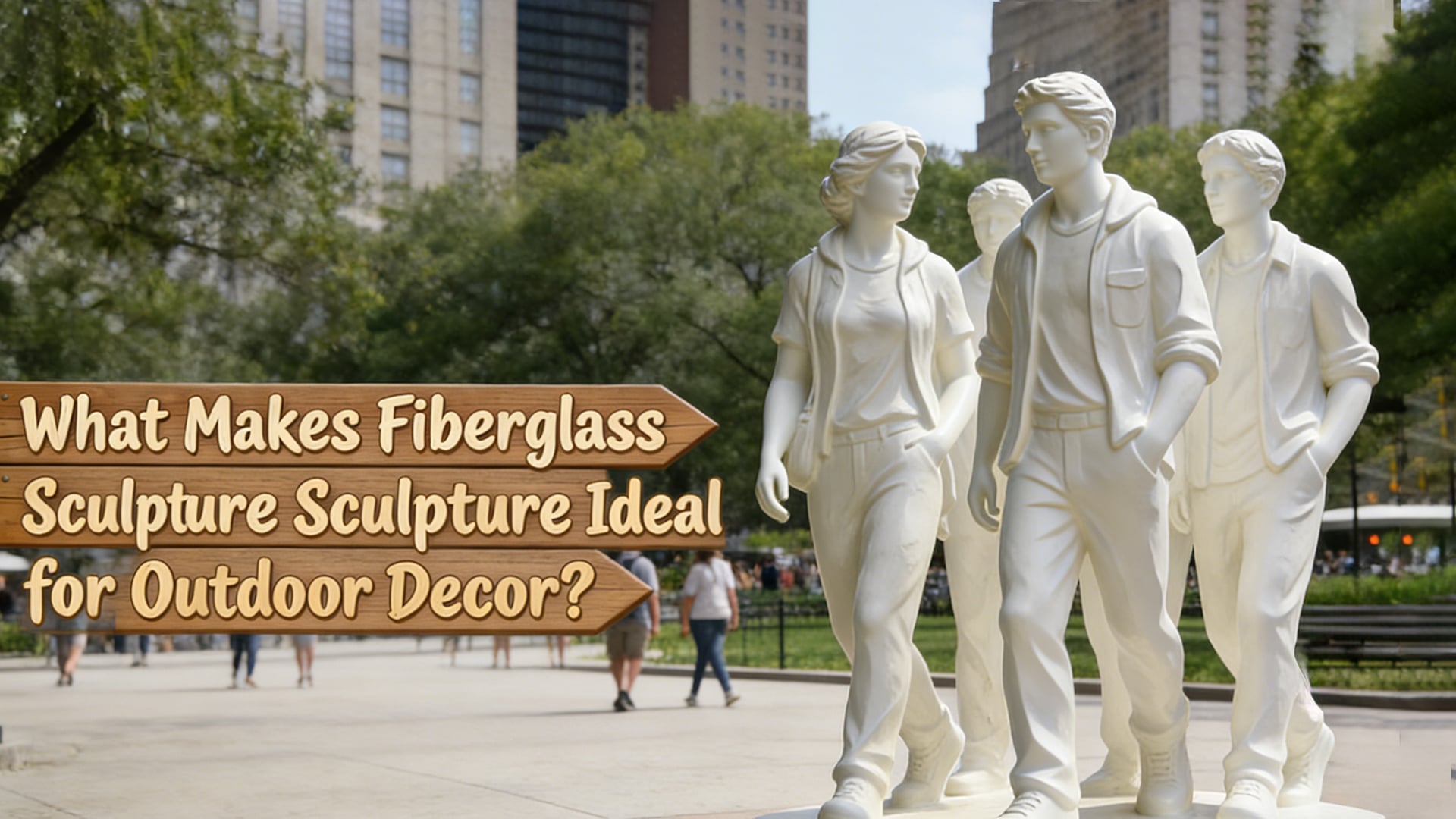
Exceptional Durability and Weather Resistance
Withstanding Extreme Conditions: Rain, Freeze-Thaw Cycles, and High Humidity
Fiberglass sculptures hold their own when other materials start to crumble. The material doesn't soak up water which means no cracks forming after repeated freezing and thawing cycles something stone and concrete just can't handle. Take wood for example it simply cannot stand up to all that humidity near coastlines where it would eventually warp or rot away. What makes fiberglass so tough? It's basically glass fibers locked inside a special plastic resin creating one solid piece that keeps moisture out completely. We've seen these sculptures standing strong through years of pounding rain, temperatures ranging from bone chilling -30 degrees Celsius right up to scorching 50 degrees Celsius, and even salty sea air without showing any signs of giving in structurally.
Superior Corrosion Resistance Compared to Metal and Stone Alternatives
Metal sculptures need those sacrificial anodes or regular recoating just to fight off rust, but fiberglass doesn't have this problem at all. The material's polymer structure simply won't oxidize, won't react to acids, and stands up against alkalis that would eat away at bronze, steel, or even limestone over time. Lab tests put it through the wringer too showing less than 0.1% material degradation after spending 5,000 hours under constant salt spray according to ASTM standards B117. That's actually about three times better than what we see from powder coated aluminum. Fiberglass also handles city pollution pretty well since acid rain tends to carve into stone surfaces but leaves fiberglass untouched. What does this mean for real world applications? Very little maintenance needed and absolutely no special protective coatings required, so these pieces keep looking good even when placed outdoors in tough weather conditions year after year.
Long-Term UV Stability and Color Retention
UV-Protective Gel Coats and Acrylic Topcoats Block 98% of UV-B Radiation
Outdoor art needs special protection from UV damage, which is why artists often turn to UV resistant coatings. For fiberglass sculptures specifically, they apply these advanced gel coats along with acrylic finishes on top. Think of it as sunscreen for sculptures, really good at stopping those harmful UV-B rays, probably around 98% or so according to what I've read. Without this protection, the materials start breaking down at a molecular level, leading to problems like colors fading away, surfaces getting all chalky, and eventually just falling apart. The stuff they use here works similarly to what car manufacturers put on vehicles to resist sun damage. It keeps colors looking fresh while maintaining strength in the material itself. That means sculptures can stay vibrant and intact for many years before needing repairs or replacement.
Proven Color Stability: <5% Delta E Change After 5 Years (QUV ASTM G154)
The QUV accelerated weathering test, which follows ASTM G154 standards, gives us confidence about how these materials hold up over time. When we look at the numbers from spectrophotometric testing, the protected fiberglass shows color changes below 5 delta E units even after what's considered five years worth of UV exposure in lab conditions. Most people wouldn't notice such small differences in color at all. This kind of stability means treated fiberglass lasts around 8 to 10 times longer than regular untreated materials. That's why so many contractors choose it for things like outdoor signs, architectural elements, and other structures that need to stay looking good no matter what climate they're exposed to.
Lightweight Installation Without Compromising Presence
Up to 75% Lighter Than Bronze, Stone, or Concrete—Enabling Flexible Placement and Easy Relocation
Fiberglass sculptures weigh way less than those made from bronze, stone, or concrete – sometimes as much as 75% less. What does this mean? No need for big machines or extra support structures when putting them in place. Imagine trying to install a full size human figure made of bronze versus one made of fiberglass. The bronze version would require a crane, but the fiberglass piece can go up with just a few people and simple tools. This makes it possible to put sculptures where heavier stuff simply won't work – think rooftops, garden terraces, or even pop-up art installations at festivals. Plus, moving them around seasonally or changing display arrangements becomes much easier without tearing up grass or damaging existing landscaping. Even though they're lighter, these sculptures still stand out visually thanks to detailed craftsmanship and long lasting finishes that catch the eye without needing special foundations. The whole package means businesses and artists save money too. Installation costs drop significantly compared to traditional materials, with some projects seeing savings of around 40%.
Design Freedom and Seamless Outdoor Integration
Custom Forms, Smooth Finishes, and Harmonious Blending with Landscapes and Architecture
Fiberglass sculptures give artists incredible freedom when designing for outdoor areas. They can make complex shapes that just aren't possible with hard materials such as stone or bronze. The material bends and molds so well that it handles everything from smooth flowing curves to those sharp modern edges people love these days. Plus, the finish options range from shiny to completely matte depending on what the artist wants. This kind of flexibility means the artwork blends right into whatever setting it's placed in. Think about how a piece might mirror water elements in a backyard garden, match up nicely with sleek buildings on patios, or even look like real rocks sitting in mountainous landscapes. With special UV resistant coatings, colors stay true over time, making the sculpture appear almost part of the landscape itself rather than something separate. And unlike metals that rust away or stones that crack under pressure, fiberglass keeps looking good year after year regardless of whether it sits in a carefully maintained garden or out in nature where conditions are harsher.
Low-Maintenance Longevity for Sustainable Outdoor Investment
Fiberglass sculptures last forever basically, needing almost no maintenance at all, which makes them great for putting outside where they can stay beautiful for years. Wood, metal, and stone? Those need constant sealing, painting, or fighting rust problems. Fiberglass just sits there in the elements for decades without anyone worrying about fixing it up. The surface doesn't absorb anything either, so mold and mildew don't stand a chance. A quick hose down usually brings it right back to looking new again. Think about what that means for saving resources: no buying harsh chemicals, no replacing broken pieces every few years, and definitely no spending hours on end cleaning stuff nobody wants to do anyway. Property owners and regular folks who put these sculptures in their yards save money over time because the fiberglass stays strong and looks good for well over twenty years with hardly any effort required. And let's face it, when something stands up to weather, pollution, and whatever else Mother Nature throws at it, that kind of toughness keeps landscapes looking sharp while cutting down on all the extra work that normally goes into maintaining outdoor decor.
Frequently Asked Questions
What makes fiberglass sculptures so durable?
Fiberglass sculptures are made from glass fibers locked inside a plastic resin, creating a solid piece that is highly resistant to moisture, UV rays, extreme temperatures, and corrosion.
Do fiberglass sculptures require any maintenance?
Fiberglass sculptures require minimal maintenance. They are highly resistant to weather conditions and pollution, making them a low-maintenance option for outdoor decor.
How lightweight are fiberglass sculptures compared to traditional materials?
Fiberglass sculptures are up to 75% lighter than bronze, stone, or concrete, enabling easier installation and relocation without heavy machinery.
Can fiberglass sculptures blend with different landscapes?
Yes, fiberglass offers design flexibility with custom forms and finishes that blend seamlessly with a variety of landscapes and architectural settings.