 EN
EN
What Defines Punk Style Iron Craft?
Core Aesthetic Principles: Rebellion, Rawness, and Intentional Imperfection
Punk style iron work really stands out because it flat out refuses to be perfect. It comes straight from the DIY heart of punk culture and wraps around three main ideas that all connect together. First off, there's rebellion against everything polished and pretty. Metalworkers take basic items and turn them into statements against shopping culture and those fancy design rules everyone follows. Then we get rawness, which basically means showing off the real stuff. Think hammer dents, rough welds that nobody bothered to smooth out, and rust spots that just happen naturally. These aren't hiding places but proud displays of actual work done by hands instead of machines. And finally, there's this whole thing about embracing what most people would call flaws. Crooked shapes, uneven colors, and joints that don't line up perfectly? Those become beautiful features in punk metal art. They stand up against the boring sameness of factory made stuff. People who make these pieces care more about feeling real than looking spotless. Scrap metal and old parts get new life here, giving artists control over both how things look and what they do. According to that Craft Survey report from last year, almost eight out of ten makers actually plan for their work to have visible "mistakes." But these aren't accidents at all. They're deliberate choices that scream resistance against commercialism.
Key Visual Signatures — Exposed welds, jagged edges, distressed finishes, and anarchic symmetry
Four unmistakable elements constitute punk ironwork’s visual grammar:
- Exposed welds: Rough, unground bead seams remain visible—foregrounding process over polish, turning construction into narrative
- Jagged edges: Unpolished, aggressive cuts reject safety-driven rounding and industrial precision (where factory tolerances average 0.3mm, punk work embraces 5–10mm variation)
- Distressed finishes: Controlled rusting, acid etching, or thermal pitting simulate decades of decay in days—accelerating time as an expressive tool
- Anarchic symmetry: Structures defy classical proportion—staggered shelving, offset brackets, or lopsided frames assert imbalance as intention
This language deliberately contrasts with both industrial minimalism and steampunk’s nostalgic ornamentation, anchoring its identity in immediacy, tension, and tactile honesty.
How Punk Style Iron Craft Differs from Industrial and Steampunk
What makes punk style iron craft unique is how it fully commits to raw rebellion. This isn't just some surface level decoration, but something deeply embedded in the work itself. Industrial design typically goes for those clean lines, exact measurements, and controlled functionality when creating things like buildings or furniture. But punk ironwork does the opposite. It creates visual tension everywhere: think exposed weld marks, rough textures that grab your attention, and shapes that deliberately don't match up. Steampunk fans love their brass fittings, intricate gears, and stories from Victorian times to create this retro future vibe. Punk ironwork tosses all that aside though. Instead of telling stories through metal, it focuses on what's left behind after demolition sites, scrap yards, and whatever happens to be lying around workshops. No shiny finishes here, no fancy historical references either. Just plain old metal meeting hammer and flame. What we get at the end are pieces that function while still screaming their anti-establishment roots loud and clear. These aren't just pretend rebellions or fantasy creations. They're real things made by real people who want to say something different than what mainstream culture expects.
Applying Punk Style Iron Craft in Interior Design
Lighting, Shelving, and Wall Art: Functional Rebellion in Residential and Commercial Spaces
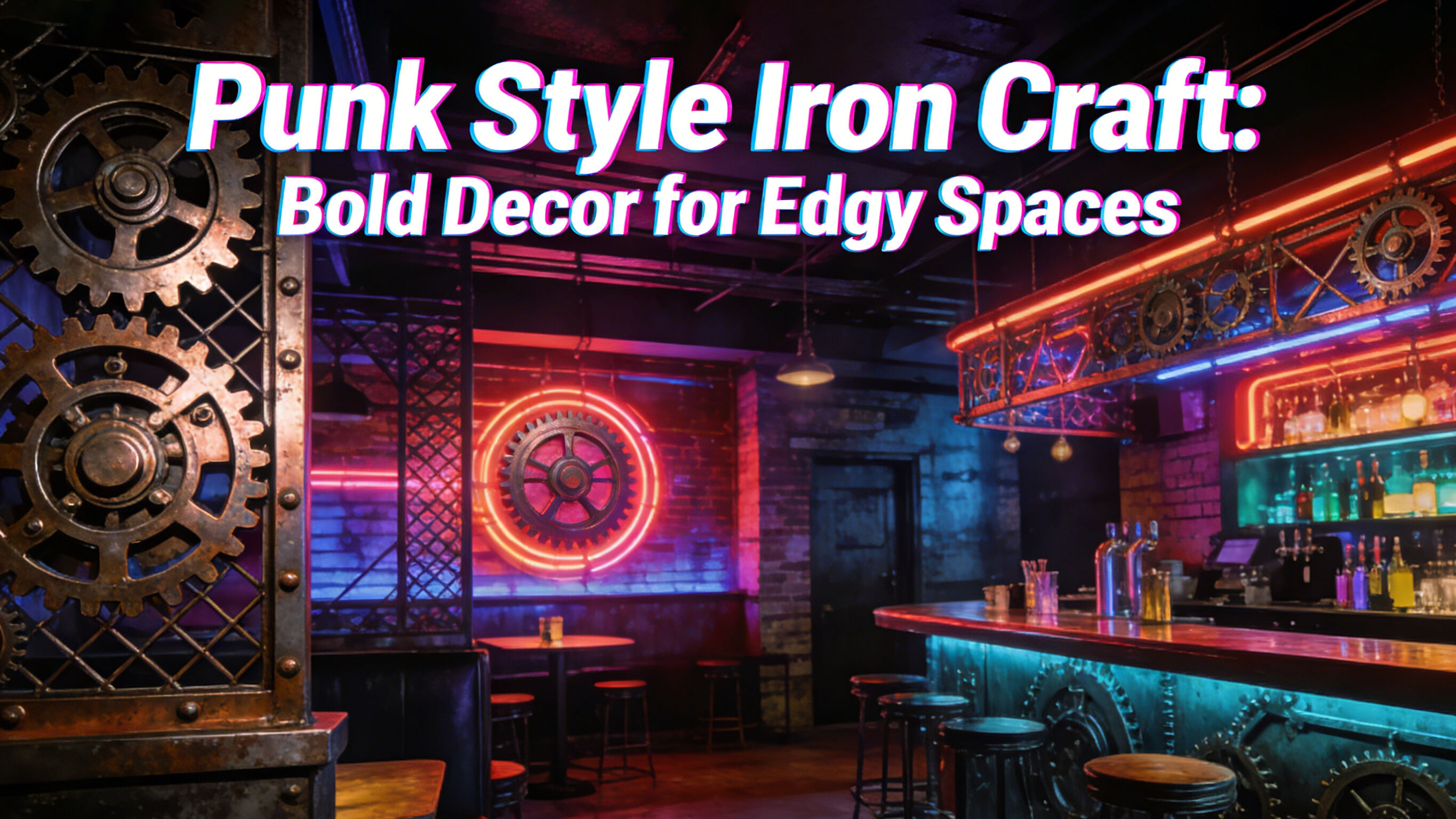
The punk aesthetic applied to ironwork turns functional pieces into statements of rebellion. Think shelves with jagged edges that look like they were forged in anger rather than crafted for display. Pendant lights with visible weld marks create strange, shifting shadows on walls at night. Even oxidized metal panels featuring wild plasma cut designs or deliberately twisted surfaces act as conversation starters filled with defiant energy. According to recent market data from 2023, there's been around a 40 percent jump in requests for these kinds of rough-hewn metals in hotel lobbies and trendy shops. Designers seem tired of polished perfection these days, craving something real instead of just shiny.
- Residential spaces deploy welded iron room dividers that double as acoustic screens and statement walls
- Commercial environments use asymmetrical console tables or reception desks built from reclaimed structural steel—positioned as deliberate counterpoints to corporate minimalism
- Textural contrast is leveraged strategically: distressed iron against velvet, matte plaster, or polished concrete heightens sensory impact without sacrificing cohesion
Case Study: Transforming a Brooklyn Loft with Custom Punk Style Iron Craft Elements
An old warehouse transformed in Williamsburg really shows what punk ironwork can do to a space. Inside, there are these pipes hanging from the ceiling showing off broken glass pieces, stairs where the rivets don't line up properly, and this massive dining table made from plasma cut steel sitting on rough rebar legs. Someone even treated the table top to look rusty and worn out, kind of like stuff we see around city streets after years of weathering. Instead of hiding all those industrial features of the building, the designers actually made them stand out more through some calculated messiness. After everything was done, the people who owned the place saw tenants sticking around 70% longer than before. Commercial photo studios were especially drawn to the spot because they loved how bold and uncompromising the look felt. According to Urban Loft Design Quarterly from last year, this proves that punk ironwork isn't just about filling empty rooms; it changes how we feel about spaces and what they represent.
Getting Started with Punk Style Iron Craft: Tools, Materials, and Mindset
Essential Workshop Tools and Salvage-Friendly Techniques for Beginners
Getting started means grabbing some basic tools first. A good MIG welder will handle most joining tasks, though some folks swear by stick welders too. Angle grinders come in handy for shaping metal and creating those weathered looks many artists love. Metal files are essential for refining edges when precision matters. For holding everything steady during work, clamps and bench vises are absolute lifesavers. Salvage hunting isn't just about saving money anymore; it's become part of the creative process itself. Scour local scrapyards for bits of rebar, scavenged sheet metal scraps, maybe even parts from old machines being torn down nearby. Before diving into full blown welding projects, try cold connections first. Rivets and bolts let beginners get comfortable with construction without dealing with all the heat and sparks right away. Start simple really works best. Try making wall hooks out of bent electrical conduit or putting together bookends from pieces of cut pipe. Those little imperfections tell stories. The grinding marks left behind, the slightly off-center bends, the varying colors that develop over time – these aren't mistakes but proof of actual hands working on something real. Most people find they spend between half and two thirds less on materials this way, which makes sense when considering how punk rock culture has always been about doing more with less and rejecting wasteful consumer habits.
Safety, Sustainability, and Creative Ethos Behind DIY Punk Metalcraft
When working with metal, safety goes hand in hand with good craftsmanship. Always put on those ANSI rated gloves, grab an auto darkening welding helmet, and make sure there's proper ventilation or exhaust systems in place before getting started. Most folks who get into DIY metalwork care deeply about sustainability too. Around 85% of hobbyists choose recycled metals for their projects, which keeps hundreds of tons of scrap out of landfills each year while helping build local circular economies. The whole punk approach to metal crafting isn't about destroying stuff for no reason—it's really about standing out and expressing oneself through unique creations. Look at any finished piece and you'll see evidence of how it was made: irregular shapes, visible screws, rough edges all say "I made this myself right here, right now." Newcomers should embrace mistakes as part of the process. That warped sheet metal? It's just another lesson in progress, not something to throw away. What makes punk style iron craft so lasting is this mix of strict attention to detail, environmental awareness, and rebellious spirit that refuses to follow cookie cutter designs.
FAQ
What is punk style iron craft?
Punk style iron craft involves creating metal art and decor by embracing raw, imperfect techniques that celebrate flaws like exposed welds and jagged edges, inspired by the rebellious punk culture.
How does punk iron craft differ from industrial and steampunk styles?
Punk iron craft fully embraces visual rebellion without the polish of industrial design or the historical references of steampunk, focusing instead on raw materials and processes.
What materials are commonly used in punk style iron craft?
Punk style iron craft often uses scrap metals and recycled materials, allowing for creativity through available resources while maintaining an anti-commercialism ethos.
How can I incorporate punk style iron craft into my home?
Use punk-style ironwork pieces like distressed shelving, rugged lighting, and asymmetric furniture to create bold design statements that evoke authenticity and rebellion.
What tools are necessary to start punk style iron crafting?
Beginners can start with basic tools like a MIG welder, angle grinder, and metal files, while advanced crafters might include stick welders and additional tools for more intricate work.