
 EN
EN
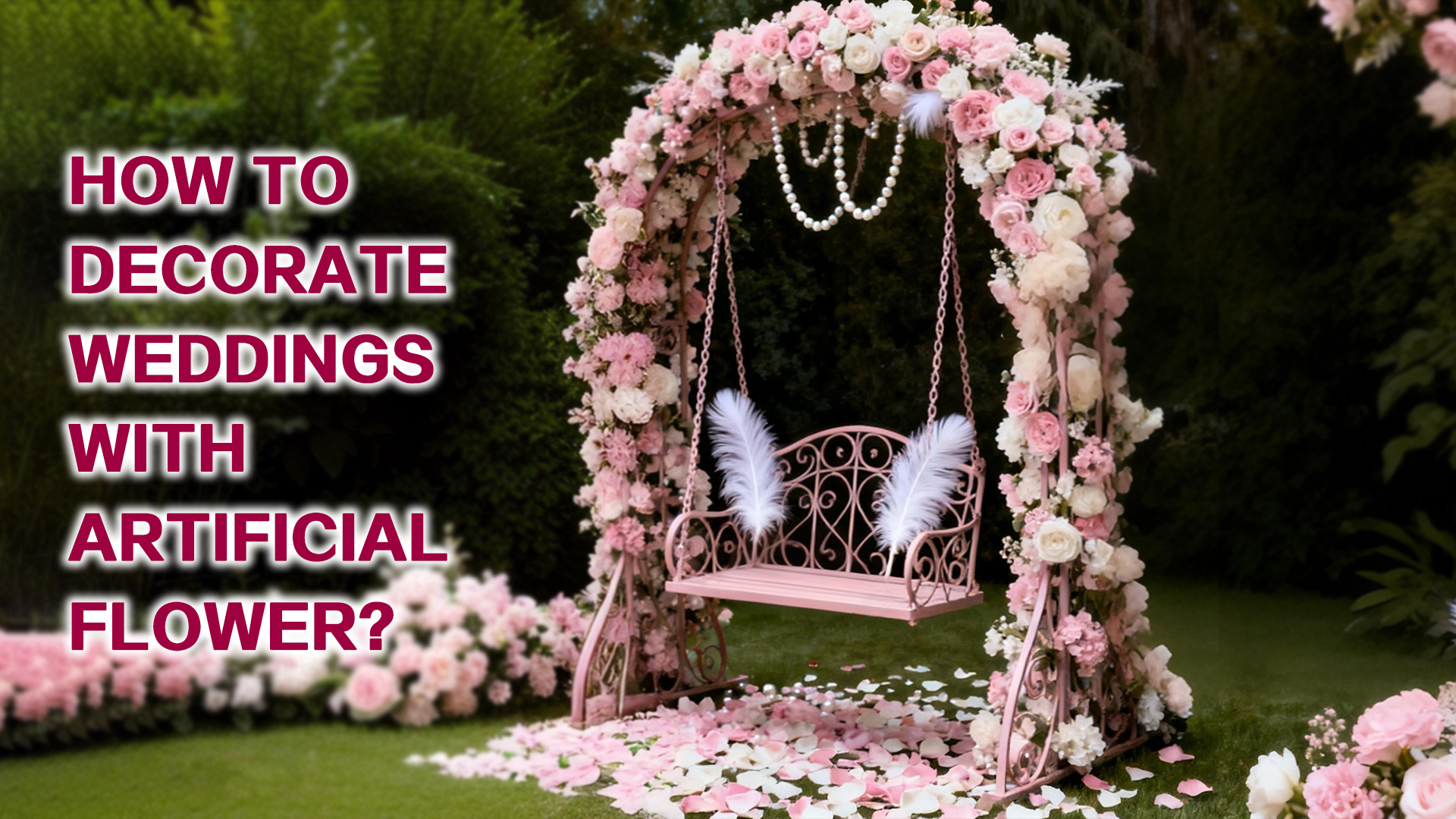
Why Choose Artificial Flowers for Wedding Decor?
Cost Savings and Budget Flexibility With Artificial Flower Arrangements
Couples today are finding they can cut their decor costs anywhere from 40 to 60 percent when going with fake flowers instead of real ones for weddings, something that's been trending since 2024 started rolling in. The big plus? No more panicking about flowers dying right before the big day. That extra money saved often gets redirected towards better photography packages or upgrading the food service at the reception hall. And because these plastic petals won't droop or fade, smart shoppers grab them way ahead of time during seasonal sales events or even take part in those weekend crafting classes where people learn how to arrange their own bouquets. Makes sense really, gives folks more breathing room financially without sacrificing looks.
Low Maintenance, Durability, and Reusability Benefits
Fake flowers hold up against heat, humidity, and all that touching during events, which makes them great picks for those summer weddings outdoors or when tying the knot at exotic locations. The good stuff made from quality polyester stays looking pretty for around five to seven years. That means couples often bring their wedding centerpieces home after the big day and reuse them for decorating their new place or even save them for anniversaries later on. According to data from the 2023 Wedding Industry Report, about two thirds of couples actually keep using their fake flower arrangements again and again. Compare that to real flowers where only about one in eight people bother to reuse what was left over.
Sustainability and Stress-Free Planning Advantages
Consistency in Appearance Regardless of Weather or Timing
Real roses tend to wilt when it gets humid, and peonies just don't follow seasonal rules properly, but artificial flowers stay looking fresh no matter what time of year it is. The advantage? Wedding decorations like aisle arches and bouquets will appear exactly the same whether photographed right after setup or several hours later. These days, special coatings help fight against fading from sun exposure too something most event planners appreciate, especially those dealing with beach weddings or garden events where 79 percent say this feature makes all the difference for maintaining vibrant colors throughout their clients' big day photos.
Selecting the Right Artificial Flowers for Your Wedding Theme
Matching Faux Blooms to Wedding Color Schemes and Décor Styles
When picking out fake flowers for your big day, think about what colors and styles match the overall look you want. Rustic weddings often work well with soft peonies and wildflower arrangements wrapped in burlap fabric. If the setting is more contemporary, metallic orchids or flowing rose displays might be better options. Recent trends show most couples care a lot about matching colors between their fake flowers and everything else at the event. About two thirds of newlyweds these days really focus on getting those color matches right so all the decor elements come together nicely. Also worth considering are seasonal color schemes. Spring events tend to go great with gentle pastel shades while autumn weddings look fabulous with deep jewel tones throughout the decorations.
Evaluating Material Quality: Silk, Polyester, Latex, and Foam
| Material | Best For | Durability | Realism |
|---|---|---|---|
| Silk | Bouquets, boutonnieres | High | Exceptional |
| Polyester | Large installations | Water-resistant | Moderate |
| Latex | Outdoor ceremonies | Humidity-tolerant | Textured |
| Foam | Budget-friendly | Fragile | Basic |
Silk offers the most lifelike appearance, making it ideal for close-up details like bouquets. Latex performs well in humid environments, while advanced polyester variants include UV resistance for sunny outdoor venues. Foam is best reserved for short-term or temporary displays due to its fragility.
Choosing Realistic Textures and Finishes for Elegant Floral Design
When choosing flowers, go for those with visible veins in the petals and colors that change gradually from darker at the center to lighter towards the edges. The matte finish on these arrangements keeps them looking real instead of shiny and artificial. Hand dyed silk roses really capture how nature works with different shades blending together. According to a big name in event decor's latest report from 2023, almost nine out of ten people attending evening weddings couldn't tell if they were seeing fresh peonies or top quality fake ones when the lights were low. To create visual interest, mix up textures too. Combine the soft look of matte green leaves with something shiny like red berries or even tiny pearl details makes everything pop better.
Pro Tip: Order samples to test how materials interact with your venue’s lighting before finalizing selections.
Designing Elegant Centerpieces and Bouquets with Artificial Flowers
Principles of Bouquet Shape, Size, and Arrangement Balance
Good floral arrangements often work best when they borrow from nature's own designs. Most florists will tell clients that bunching flowers in odd numbers makes all the difference. Industry studies suggest something around 34% better visual balance with groups of three or five versus even counts, according to research from Well Live Florist back in 2024. When setting up centerpieces, keep the size proportional to where they'll sit. Small round tables look great with bouquets about 20 centimeters across, while those big banquet tables need something closer to 40 cm to fill the space properly. For height variety, start with something tall like delphiniums to create vertical interest. Pair these with medium sized garden roses and finish off with some lush green filler at the bottom. This layered approach creates depth without feeling cluttered.
Incorporating Greenery and Mixed Textures for Depth and Realism
Add movement with artificial eucalyptus or fern fronds, and incorporate wax-coated magnolia leaves for realistic light reflection. Layer matte hydrangeas with glossy camellias to recreate botanical texture contrast. The 2023 Floral Design Association survey noted that 78% of attendees could not tell high-quality silk greenery apart from fresh in low-light settings.
Case Study: Silk Peonies and Eucalyptus Table Centerpieces
A 2024 case study (Aisyart, 2024) demonstrated that pairing dual-tone silk peonies (ivory/blush) with preserved eucalyptus reduced centerpiece costs by 62% versus fresh equivalents. Designers created 45 cm asymmetrical arrangements using:
- 7 peony stems (25 cm height)
- 15 eucalyptus sprigs (varying 30–40 cm lengths)
- Floral foam weighted with decorative river rocks
These setups remained intact through 12-hour outdoor summer events with no wilting or discoloration.
Tips for Long-Lasting, Photo-Ready Artificial Floral Displays
- Lighting Adjustments: Position LED spots to minimize visibility of PET seams
- Dust Management: Clean monthly with compressed air to preserve vibrancy
- UV Protection: Rotate pieces away from direct sun every 90 days
- Transportation: Wrap delicate silk petals in tissue-lined plastic totes
Durability tests by Well Live Florist showed UV-treated polyester flowers retained 97% color accuracy after 500 lux-hours of exposure.
Creating Stunning Artificial Flower Backdrops and Ceremony Arches
Designing Eye-Catching Flower Walls and Ceremony Backdrops
Create striking focal points by combining oversized artificial peonies with delicate ranunculus for contrast. Modular panel systems simplify assembly of geometric floral walls, while freestanding metal frames support flowing ceremony backdrops. For optimal guest experience, apply the "rule of thirds" in design and allow 18–24 inches of clearance around installations.
Enhancing Backdrops with Artificial Greenery and Lighting
Weave silk ivy or preserved moss between blooms to add organic texture. Warm LED strips placed behind arrangements enhance depth, while uplights cast dramatic shadows through translucent petals. As noted in the 2024 Wedding Floral Trends Report, 73% of couples now integrate reusable lighting into floral backdrops to improve sustainability.
2024 Trend Report: Popular Artificial Flower Backdrop Styles
This year's top designs include:
- Biophilic asymmetrical arches blending artificial orchids and monstera leaves
- Monochromatic ombré walls featuring gradient silk roses
- Mini backdrop clusters for photo stations using fewer than 10 stems
Petal density research indicates 45–60 flowers per square foot delivers ideal fullness without overwhelming the space.
DIY Guide: Building a Reusable Faux Floral Arch on a Budget
Start by building a basic frame using those cheap PVC pipes everyone has lying around, holding them together with some heavy duty zip ties. Once that's stable, stick on those floral foam sheets with something that won't wash away in rain or anything. When arranging the flowers, angle the stems at around 45 degrees so they look more natural instead of sticking straight up like in a grocery store display. Save the fancy stuff for where people will actually see it best the most expensive ones like those silk hydrangeas that cost about $2.40 each should go right where guests will notice first thing when they walk in. And don't forget to give everything a good coating of UV protection spray before heading outdoors, otherwise all those colors will start fading after just one sunny day at the wedding or whatever event this is for.
FAQ
What are the cost benefits of using artificial flowers for a wedding?
Artificial flowers can reduce wedding decor costs by 40 to 60 percent and avoid the stress of real flowers wilting before the big day.
How durable are artificial flowers?
High-quality artificial flowers can last 5-7 years and withstand humid conditions, making them ideal for outdoor events.
Can artificial flowers match specific wedding themes?
Yes, artificial flowers are available in various styles and colors to suit different wedding themes, including rustic and contemporary.